Rebuy
5 Things To Do After Installing Rebuy
New Rebuy customer? Fast-track your way to more sales and amazing shopping experiences with these 5 essential steps.

2026 is here! These eight ecommerce New Year’s resolutions help brands fix funnel leaks, improve retention, and grow smarter after the holidays.
Now is the time when ecommerce teams are taking stock of how the past year unfolded and what they might do differently to improve things in the new year.
One thing that can be said for sure: the brands that perform best after the holidays are the ones using automation to reconnect with new and returning customers in more thoughtful, well-timed ways.
On that note, here are eight New Year’s resolutions to help you turn holiday momentum into sustainable growth in 2026.
January tends to arrive with fewer hands on deck and very little appetite for manual merchandising. That’s why personalization needs to scale, because otherwise, it just becomes shelfware.
Rather than trying to personalize everything, strong brands focus on a few moments that disproportionately influence outcomes. These often include product discovery, cart, and checkout. When those touchpoints feel relevant, the rest of the journey often falls into place.
Rebuy’s AI-driven recommendations and rules-based merchandising adapt automatically to shopper behavior, product data, and context.

Rebuy's merchandising widgets make it easy to surface the right products at key moments. Dynamic Bundles boost AOV by letting shoppers get more of the products they love, Complete-The-Look highlights complementary items right on the PDP, and one-click subscription pop-ups turn one-time transactions into recurring revenue.
Each widget draws on Rebuy's AI and your own custom rules, so conversion-boosting personalization runs in the background while your team can stay focused on other priorities.
If BFCM brought in a surge of traffic, even small inefficiencies in your funnel can quietly undo a lot of that hard-earned growth.
January is the ideal time to slow down and look at what happens after the click. Does your cart help shoppers move forward, or does it inadvertently introduce friction? Are checkout moments clear and confidence-building? Are add-ons genuinely helpful, or just noise?
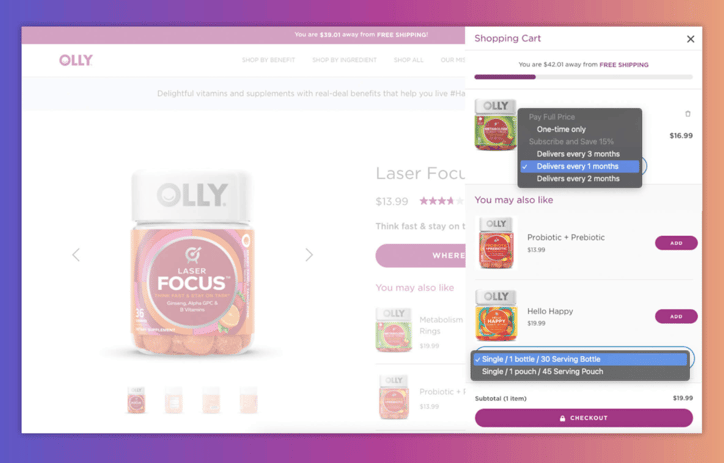
Rebuy’s Smart Cart, in-cart upsells, and checkout extensions are designed to strengthen these moments without hurting conversion. A merchandising audit checklist can help identify where small changes can lead to meaningful gains.
Revenue growth doesn’t have to come from more traffic or more aggressive tactics. Often, it comes from making the most of moments where shoppers are already engaged.
Post-purchase and Thank You pages are natural places to introduce relevant next steps, as long as they feel additive rather than intrusive.
Rebuy Monetize supports subtle, well-timed placements that complement the shopping experience, helping brands increase revenue per order without jeopardizing conversion rates (learn more about it in the video below!).
Cart abandonment doesn’t always come down to price. Often, it’s hesitation: uncertainty about the brand, the product, or the purchase itself, especially for shoppers who are buying for the first time.
Checkout is the final moment to reinforce confidence. Small signals can make a big difference here: reviews that validate the product, testimonials that reassure new buyers, trust badges that reduce perceived risk. When these elements are thoughtfully placed, they help shoppers feel comfortable completing their purchase rather than second-guessing it.
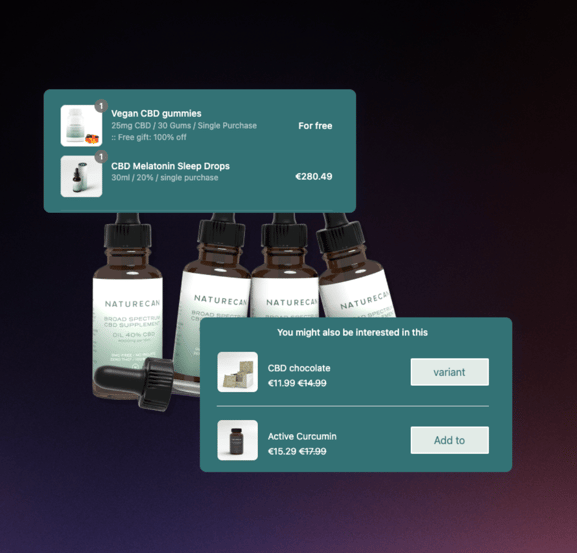
For brands on Shopify Plus, Rebuy Checkout Extensions make it possible to customize the checkout experience using Content Blocks. These blocks can be used to surface reviews, social proof, trust indicators, and other confidence-building content exactly where it matters most, without disrupting the flow or adding friction.
It’s a powerful way to reduce abandonment, especially for first-time and holiday-acquired shoppers.
The most efficient growth opportunities in January aren’t new clicks, they’re the shoppers who already raised their hand. You paid to acquire them during the holidays, whether they converted once, browsed heavily, or dropped off just before checkout. Now is the moment that determines whether they come back or quietly disappear.
The mistake brands often make is jumping straight to another promotion. A better approach is to build familiarity and momentum. That means reminding shoppers why they bought in the first place, making it easy to pick up where they left off, and guiding them toward products that actually fit their needs, not just what’s on sale.
Rebuy Landing Pages give returning shoppers a personalized starting point when they come back, whether they’re reordering a favorite, discovering complementary products, or continuing a journey that started during the holidays.
On top of that, Rebuy Smart Flows make it possible to re-engage customers through fully customizable, link-based experiences, all of which are designed to simplify the path back to purchase.
Because Rebuy works alongside tools like Klaviyo, audience segments and behavioral signals can shape what shoppers see when they return, ensuring offsite messaging and onsite experiences feel connected, timely, and intentional.
In this clip from our Smart Flows webinar, see how easy it is to set up an influencer campaign with Rebuy Smart Flows
January is reporting season. It’s also when teams realize how incomplete last-click attribution really is.
Personalization rarely works in a straight line. A recommendation might influence discovery, a cart experience might build confidence, checkout messaging might remove hesitation. None of that always shows up as “direct” revenue, but it still matters in the big picture.
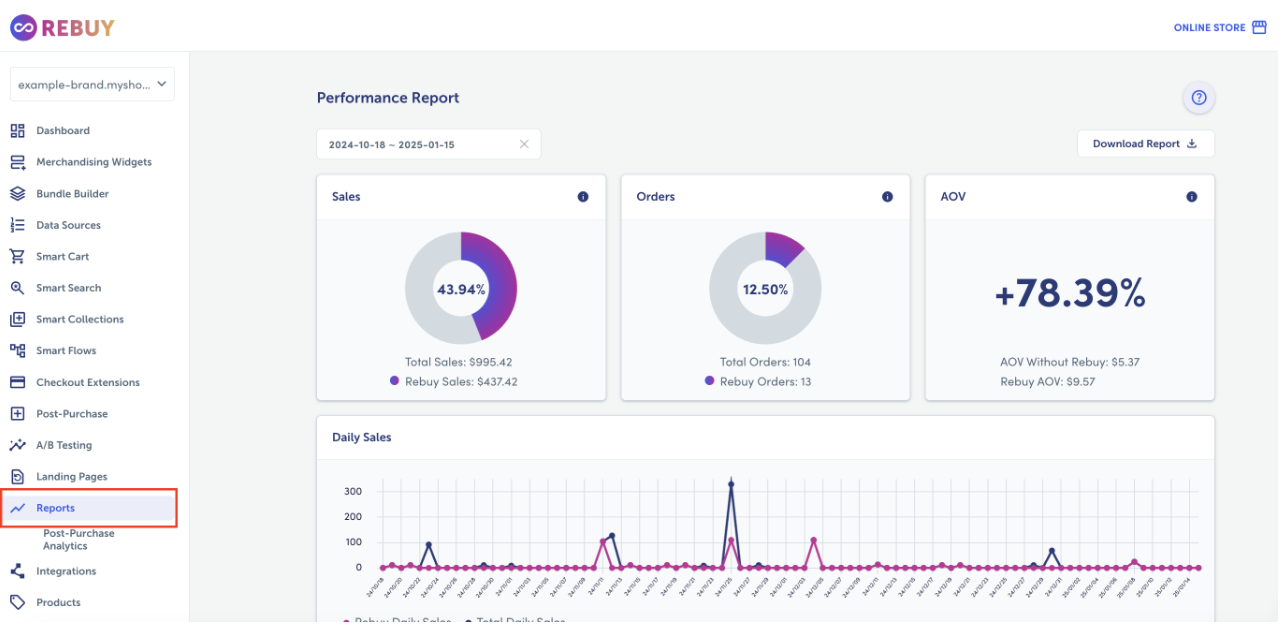
Rebuy’s widget-level attribution helps surface these contributions, showing how different onsite experiences influence revenue across the journey. It gives teams the language — and the data — to talk about impact in a more honest way.
Post-holiday tool sprawl is real. Many brands end the year with overlapping solutions solving similar problems, often at the cost of speed, clarity, and team sanity.

January is a chance to step back and ask where complexity is slowing you down. Merchandising, personalization, upsells, experimentation…these areas don’t need five separate tools to be effective.
Rebuy brings discovery, merchandising, cart, checkout, post-purchase, and monetization into a single platform. Brands that only use one or two features often uncover new opportunities simply by connecting the dots across the rest of the journey.
For many shoppers, search is the fastest path to conversion. When it works well, it shortens time to purchase and increases confidence. When it doesn’t, even high-intent shoppers get turned off and give up.
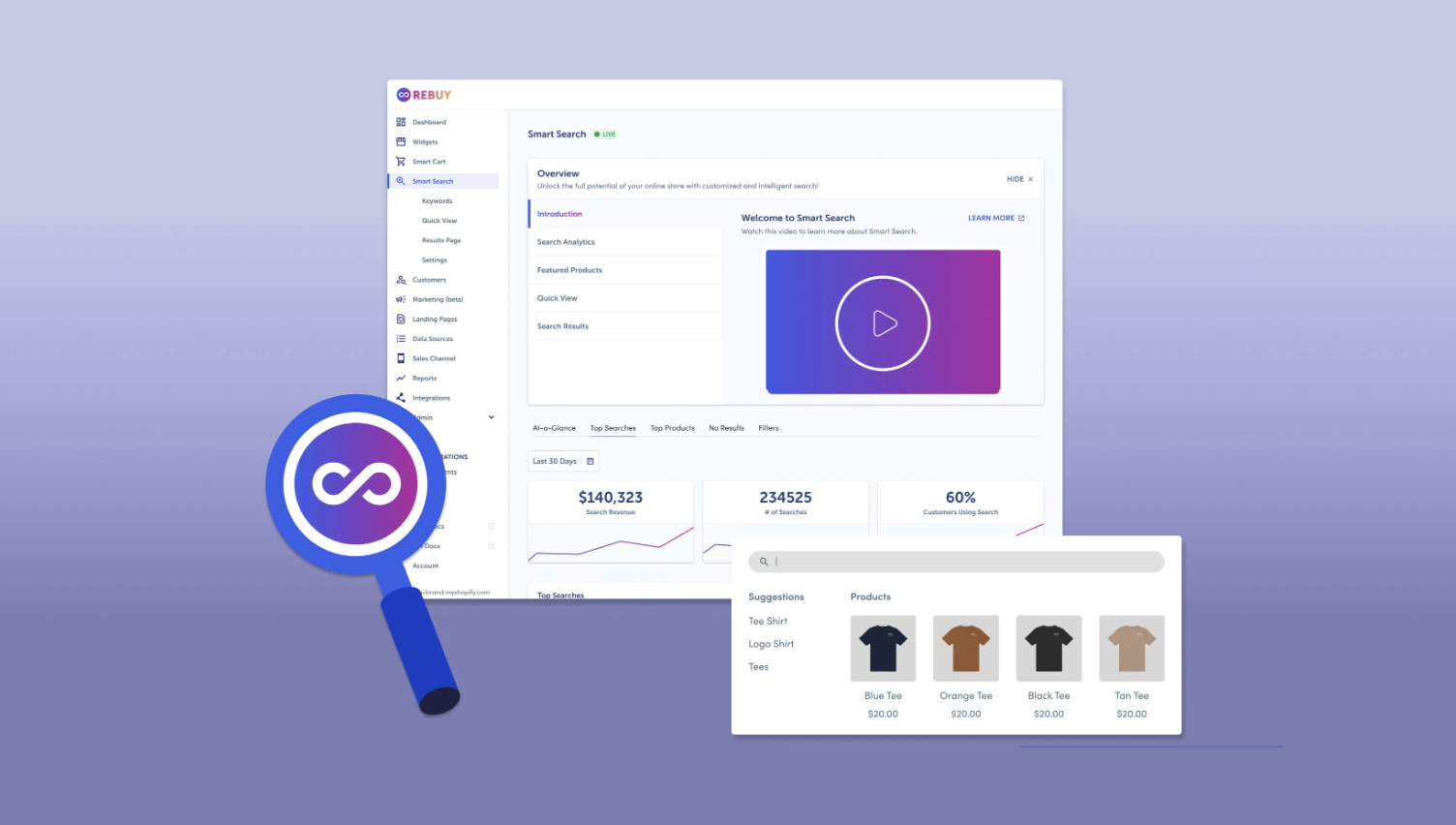
Improving search doesn’t require a full redesign, though. The main thing it requires is relevance. Results should be accurate, fast, and aligned with merchandising priorities, while still allowing shoppers to discover products they didn’t explicitly ask for.
Rebuy Smart Search combines keyword precision with semantic understanding and merchandising controls, helping search become a retention and revenue driver instead of a missed opportunity.
New Year’s resolutions don’t need to be dramatic to be effective. The most impactful changes are often the ones that simplify your operations, sharpen relevance for shoppers, and make better use of the traffic you already have.
Set those foundations now, and you’ll be in a far stronger position to grow thoughtfully and sustainably throughout the year ahead.
•••
Try Rebuy free and see why the world’s top brands use Rebuy to accelerate sales growth.
Interested in partnering with Rebuy? Let's do it.
To keep up with the latest trends, platform updates, and more, follow us on LinkedIn.
New Rebuy customer? Fast-track your way to more sales and amazing shopping experiences with these 5 essential steps.
Let's take a quick look back at 2024 — a year packed with new product innovation, helpful new resources, and inspiring customer success stories.
Web 1.0 shopping carts are too outdated for today's shopper. Learn why it's so important to update to a modern cart like the Rebuy Smart Cart™.
